

Introduction
In the quest for healthier hair and balanced hormones, nature offers powerful solutions that have stood the test of time. Pumpkin seed oil and ylang ylang oil represent two of the most effective natural remedies for supporting both scalp health and hormonal balance, working together to address the root causes of hair concerns rather than merely treating symptoms.
These remarkable oils bring unique properties to hair care: pumpkin seed oil delivers essential nutrients and compounds that help regulate hormones affecting hair growth, whilst ylang ylang oil provides antimicrobial benefits and helps balance sebum production. When combined thoughtfully, these essential oils create a synergistic approach to achieving stronger, healthier hair from the inside out.
This comprehensive guide will explore the science behind these powerful oils, beginning with an examination of pumpkin seed oil’s nutrient-rich profile and its specific benefits for hair health. You’ll discover how ylang ylang’s therapeutic properties create an optimal environment for hair growth, and understand the crucial connection between hormonal fluctuations and hair loss patterns.
We’ll provide practical guidance on creating effective oil blends, share tested recipes for nourishing hair masks and scalp treatments, and detail the best application methods to maximise results. Additionally, you’ll learn essential safety considerations to ensure you’re using these potent oils correctly and effectively. Whether you’re addressing thinning hair, seeking hormonal support, or simply wanting to enhance your natural hair care routine, this guide offers evidence-based solutions for lasting results.
Key Takeaways – TL/DR
- Pumpkin seed oil contains zinc and omega fatty acids that help block DHT and support hormonal balance for reduced hair loss
- Ylang ylang oil regulates sebum production and creates a healthy scalp environment through antimicrobial properties
- Combining these oils with carrier oils like jojoba or argan creates powerful DIY hair masks for improved hair health
- Regular scalp massage with this oil blend can stimulate hair follicles and improve scalp circulation
- Always dilute essential oils properly and perform patch tests before applying to avoid scalp irritation
Understanding Pumpkin Seed Oil for Hair Health
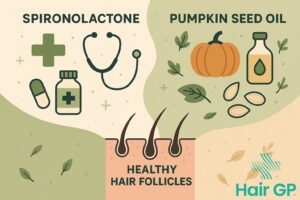
Pumpkin seed oil emerges as a potent natural remedy for supporting hair health through its exceptional nutritional composition and hormone-regulating properties. This nutrient-dense oil contains specific compounds that work synergistically to prevent hair loss and promote healthy hair growth by addressing both nutritional deficiencies and hormonal imbalances.
More in This Series
Ayurvedic Hair Oils Through a Modern Lens
Discover how Ayurvedic hair oils blend ancient herbs and modern science to promote personalized, holistic hair health and natural beauty.

Rosemary Oil for Hair Growth: A Comprehensive Guide
Rosemary oil, extracted from the fragrant Rosmarinus officinalis plant, has been cherished for centuries for its therapeutic properties.
Rosemary Oil on TikTok for Hair: Fad or Fabulous?
Discover the truth about TikTok’s viral rosemary oil for hair growth, backed by science—find out if this natural remedy truly delivers dramatic, safe, and lasting…

Nutritional Profile and Hair Benefits
The remarkable ability of pumpkin seed oil to improve hair health stems from its rich concentration of essential nutrients. This oil contains significant amounts of zinc (2.12-4.25 mg/100g)[1], a mineral crucial for hair follicle health and protein synthesis. The balanced omega fatty acid composition includes both omega-3 and omega-6 fatty acids[2], providing essential building blocks for healthy hair structure. Additionally, vitamin E present in pumpkin seeds nourishes the scalp, creating an optimal environment for hair growth whilst protecting against oxidative damage.
How Pumpkin Seed Oil Supports Hormonal Balance
The hormone-regulating properties of pumpkin seed oil directly impact hair growth cycles. Research demonstrates its ability to inhibit 5-alpha reductase, the enzyme responsible for converting testosterone to DHT[3], effectively blocking this hair loss-promoting hormone. This DHT-blocking mechanism helps maintain healthy testosterone levels whilst preventing miniaturisation of hair follicles, ultimately supporting sustained hair growth.

Ylang Ylang Essential Oil Benefits for Scalp Care
Ylang ylang oil emerges as a powerful botanical remedy for scalp health, offering antimicrobial and sebum-regulating properties that create optimal conditions for healthy hair growth. This aromatic essential oil addresses common scalp concerns whilst providing therapeutic benefits that extend beyond surface-level treatments.
Properties That Improve Scalp Health
The therapeutic potential of ylang ylang oil stems from its rich chemical composition, particularly linalool and geranyl acetate, which demonstrate significant antimicrobial activity [4]. These compounds effectively combat scalp pathogens that can disrupt hair follicle function and trigger inflammation. Beyond its antimicrobial effects, ylang ylang possesses anti-inflammatory properties that soothe irritated scalp tissues, whilst its aromatherapeutic benefits promote stress reduction—a crucial factor in maintaining a healthy scalp environment.
Balancing Sebum Production Naturally
Ylang ylang oil excels at balancing sebum production through its unique ability to normalise overactive and underactive sebaceous glands [5]. For oily scalps, it helps regulate excessive oil production without stripping natural moisture, whilst dry scalps benefit from its moisturising properties. This dual action creates scalp balance, establishing ideal conditions where hair follicles can thrive and produce stronger, healthier strands.

The Science Behind Hormonal Balance and Hair Growth
Understanding the intricate relationship between hormonal balance and hair growth reveals why certain natural oils effectively combat hair loss. Hormones, particularly dihydrotestosterone (DHT), play a crucial role in hair follicle health, whilst pumpkin seed oil and ylang ylang work at cellular levels to support optimal hair growth cycles and prevent hormone-related thinning.
DHT Blocking and Hair Loss Prevention
DHT forms when testosterone interacts with 5-alpha reductase enzyme, leading to follicle miniaturisation and eventual hair loss [6]. This androgen binds to receptors in hair follicles, shortening the growth phase and causing progressive thinning. Natural DHT blockers offer a gentler alternative to pharmaceutical interventions. Pumpkin seed oil contains phytosterols that inhibit 5-alpha reductase activity, effectively reducing DHT production [3]. Studies demonstrate that men taking pumpkin seed oil experienced 40% increase in hair count after 24 weeks, highlighting its potential to promote hair growth whilst reducing hair loss.
Supporting Healthy Hair Growth Cycles
Hair follicles undergo three distinct phases: anagen (growth), catagen (transition), and telogen (resting). Hormonal imbalances can prematurely shift follicles from anagen to telogen, causing excessive shedding. These natural oils help extend the anagen phase, allowing hair to reach its full growth potential. Ylang ylang’s compounds stimulate hair growth by improving scalp circulation and creating an environment conducive to prolonged anagen phases. This dual approach—blocking harmful hormones whilst supporting growth cycles—offers a comprehensive strategy for maintaining hormonal balance and achieving healthier, fuller hair naturally.

Creating Effective Oil Blends for Scalp Treatment
Creating effective oil blends requires understanding how different oils complement each other to maximise scalp and hair benefits. By combining pumpkin seed oil and ylang ylang with carefully selected carrier oils and essential oils, you can create customised treatments that address specific hair concerns whilst maintaining proper dilution ratios for safety and efficacy.
Best Carrier Oils to Combine
Selecting the right carrier oils enhances the effectiveness of your oil blend. Jojoba oil stands out as an excellent choice due to its molecular structure that closely mimics natural sebum, making it ideal for balancing scalp oil production. When combined with pumpkin seed oil, it creates a lightweight base that won’t weigh hair down. Argan oil provides deep nourishment with its high vitamin E content, penetrating the hair shaft to repair damage and add shine. For those seeking protein support, coconut oil offers unique benefits with its lauric acid content, which helps strengthen hair strands and reduce protein loss. These carrier oils can be mixed in equal parts or adjusted based on individual hair needs.
Essential Oil Synergies for Maximum Benefits
The best essential oils work synergistically to amplify hair health benefits. Rosemary essential oil enhances circulation when incorporated into massage oils, stimulating follicles and promoting growth. Lavender provides soothing properties that calm irritated scalps whilst supporting healthy hair growth. Clary sage offers hormonal support, particularly beneficial when combined with ylang ylang for addressing hormone-related hair concerns. When creating blends, maintain a 2-3% dilution ratio for essential oils to ensure safety and effectiveness.

DIY Hair Masks and Scalp Treatments
Creating effective DIY hair masks and scalp treatments with pumpkin seed and ylang ylang oils offers a natural approach to enhancing hair health at home. These simple recipes harness the nourishing properties of natural oils to deliver professional-quality results without harsh chemicals or expensive salon visits.
The treatments and products mentioned are examples of options that some individuals may find helpful. Hair GP has not independently tested or evaluated these items, and they are not medical prescriptions. Any use is at your own discretion.
We strongly recommend performing a patch test before trying any new product and discontinuing use if irritation occurs. If you have an existing scalp condition, allergies, or are unsure whether a treatment is suitable for you, please seek personalised clinical advice from a qualified healthcare professional.
Weekly Deep Conditioning Hair Mask Recipe
This intensive hair mask combines the restorative power of pumpkin seed oil with the aromatic benefits of ylang ylang for comprehensive hair care. Mix 2 tablespoons of pumpkin seed oil with 1 tablespoon of coconut oil and 5 drops of ylang ylang essential oil in a small bowl. For enhanced conditioning, add 1 tablespoon of raw honey and mix thoroughly until well combined. To apply essential oils effectively, section your hair and distribute the mixture evenly from mid-length to ends, avoiding the roots to prevent greasiness. Gently massage any remaining product into your scalp using circular motions. Cover your hair with a shower cap and leave the treatment on for 30-45 minutes, allowing the natural oils to penetrate deeply. Rinse thoroughly with lukewarm water followed by your regular shampoo routine.
Daily Scalp Massage Oil Blend
For daily maintenance, create a lighter hair oil blend that won’t weigh down your strands. Combine 30ml of pumpkin seed oil with 10ml of jojoba oil and 3-4 drops of ylang ylang essential oil in a dark glass bottle. This gentle formula provides ongoing nourishment without overwhelming your scalp. Apply 3-5 drops to your fingertips and massage into your scalp using gentle, circular motions for 2-3 minutes each evening. Store your DIY hair masks and oil blends in a cool, dark place to preserve their potency, and use within 3 months for optimal freshness.

Application Methods and Best Practices
When you apply essential oils for optimal hair care results, proper dilution is crucial for both safety and effectiveness. Always mix essential oils with carrier oils like coconut, jojoba, or argan oil at a concentration of 2-3% to prevent scalp irritation whilst ensuring adequate potency. This typically means adding 12-18 drops of essential oil per 30ml of carrier oil.
The technique for improving scalp circulation through massage significantly enhances oil absorption and effectiveness. Using your fingertips, work the diluted massage oils into your scalp using circular motions for 5-10 minutes. This gentle pressure helps stimulate hair follicles and increases blood flow, delivering nutrients more efficiently to the hair roots. Focus on areas of concern whilst ensuring even distribution across the entire scalp.
For maximum benefits to scalp health, apply oil treatments to slightly damp hair, as moisture helps oils penetrate more effectively. Leave treatments on for at least 30 minutes, though overnight application yields superior results. Wrap hair in a warm towel to enhance absorption. Common mistakes include using undiluted essential oils, applying excessive amounts, or neglecting regular application. Consistency is key—incorporate oil treatments into your routine 2-3 times weekly for noticeable improvements in hair texture and growth.

Safety Considerations and Precautions
When incorporating essential oils into your hair care routine, following proper safety guidelines ensures optimal results whilst preventing adverse reactions. Essential oils must always be diluted before application, with recommended dilution ratios typically ranging from 1-3% for scalp treatments. This equates to approximately 6-18 drops per 30ml of carrier oil, though lavender essential oil and tea tree essential oil can tolerate slightly higher concentrations due to their gentler profiles.
Before regular use, patch testing remains crucial for identifying potential sensitivities. Apply a diluted mixture to a small area behind the ear or inner elbow, monitoring for 24-48 hours for signs of irritation. Pregnant women should exercise particular caution with rosemary essential oil, which may stimulate uterine contractions. Watch for allergic reaction symptoms including excessive redness, swelling, persistent itching, or respiratory difficulties, discontinuing use immediately if these occur.
Conclusion
The combination of pumpkin seed oil and ylang ylang oil represents a scientifically-backed approach to natural hair care that addresses root causes rather than merely treating symptoms. By targeting hormonal balance through DHT inhibition and optimising scalp health via sebum regulation, these botanical powerhouses offer sustainable solutions for various hair concerns.
Pumpkin seed oil’s rich nutrient profile, including zinc, fatty acids, and phytosterols, provides essential building blocks for robust hair growth whilst naturally blocking DHT formation. Meanwhile, ylang ylang oil’s antiseptic and balancing properties create an optimal environment for healthy follicle function, preventing both excess oiliness and dryness that can impede hair development.
Regular incorporation of these oils through weekly masks, daily scalp treatments, or therapeutic massage sessions can yield significant improvements in hair texture, thickness, and overall vitality. The key to success lies in consistency and proper application techniques, allowing these natural compounds to work synergistically with your body’s own processes.
As more individuals seek alternatives to harsh chemical treatments, pumpkin seed oil and ylang ylang oil stand out as evidence-based options that honour both traditional wisdom and modern scientific understanding, offering a gentle yet effective path to achieving lustrous, healthy hair naturally.
Frequently Asked Questions
For best results, use a diluted blend 2-3 times per week as a pre-shampoo treatment. Leave on for 30-60 minutes before washing. For maintenance, once weekly application is sufficient. Always dilute ylang ylang essential oil in pumpkin seed oil or another carrier oil at a 2-3% concentration.
Pumpkin seed oil contains compounds that may help block DHT, a hormone linked to hair loss. Combined with ylang ylang’s scalp-balancing properties, this blend can support healthier hair growth. However, severe hormonal imbalances should be addressed with a healthcare provider.
For dry scalp, combine ylang ylang with moisturizing carrier oils like jojoba, argan, or avocado oil along with pumpkin seed oil. Jojoba closely mimics natural sebum and helps balance moisture levels. Mix 2-3 drops of ylang ylang per tablespoon of carrier oil blend.
Pumpkin seed oil is generally safe for topical use with minimal side effects. Some people may experience mild scalp irritation or allergic reactions. Always perform a patch test before first use. The oil can make hair appear greasy if over-applied, so start with small amounts.
Hair growth is a slow process, and results typically become noticeable after 2-3 months of consistent use. Initial improvements in scalp health and hair texture may be seen within 2-4 weeks. Individual results vary based on underlying causes of hair issues and overall health.
References
- Glew RH, Glew RS, Chuang LT, Huang YS, Millson M, Constans D et al.. Amino acid, mineral and fatty acid content of pumpkin seeds (Cucurbita spp) and Cyperus esculentus nuts in the Republic of Niger. Plant Foods Hum Nutr. 2006. PMID: 16770692
- Bardaa S, Ben Halima N, Aloui F, Ben Mansour R, Jabeur H, Bouaziz M et al.. Oil from pumpkin (Cucurbita pepo L.) seeds: evaluation of its functional properties on wound healing in rats. Lipids Health Dis. 2016. PMID: 27068642
- Cho YH, Lee SY, Jeong DW, Choi EJ, Kim YJ, Lee JG et al.. Effect of pumpkin seed oil on hair growth in men with androgenetic alopecia: a randomized, double-blind, placebo-controlled trial. Evid Based Complement Alternat Med. 2014. PMID: 24864154
- Tan LT, Lee LH, Yin WF, Chan CK, Abdul Kadir H, Chan KG et al.. Traditional Uses, Phytochemistry, and Bioactivities of Cananga odorata (Ylang-Ylang). Evid Based Complement Alternat Med. 2015. PMID: 26294929
- Orchard A, van Vuuren S. Commercial Essential Oils as Potential Antimicrobials to Treat Skin Diseases. Evid Based Complement Alternat Med. 2017. PMID: 28546822
- Trüeb RM. Molecular mechanisms of androgenetic alopecia. Exp Gerontol. 2002. PMID: 12213548