
Introduction
Retinol has long been celebrated as the gold standard in anti-aging skincare, praised for its ability to reduce fine lines, improve skin texture, and promote cellular renewal. However, a growing number of users are discovering an unexpected consequence of their dedicated skincare routine: hair thinning and scalp concerns that seem to contradict the very purpose of their anti-aging efforts.
This paradox presents a challenging dilemma for those committed to maintaining youthful skin whilst preserving healthy hair. As retinol’s popularity continues to soar, understanding its potential impact on scalp health becomes increasingly crucial. Whilst the ingredient works wonders on facial skin, its effects on the delicate scalp environment can trigger unexpected changes in hair growth patterns and follicle health.
This comprehensive guide explores the complex relationship between retinol use and hair loss, examining the scientific mechanisms behind these changes and how they compare to traditional hair loss treatments. We’ll investigate the various side effects and risk factors associated with retinol use on the scalp, whilst also exploring gentler alternatives that deliver anti-aging benefits without compromising hair health.
For those unwilling to abandon their beloved retinol products entirely, we’ll provide practical strategies for managing application techniques and dosing schedules to minimise scalp disruption. Most importantly, we’ll help you recognise when professional intervention may be necessary, ensuring you can make informed decisions about your skincare routine whilst protecting your hair’s vitality and growth potential.
Key Takeaways – TL/DR
- Retinol can accelerate scalp cell turnover, potentially disrupting the hair growth cycle and causing temporary hair loss
- Unlike dedicated hair loss medications like minoxidil and finasteride, retinol’s hair effects are typically reversible
- Proper application techniques and dosage management can minimize retinol’s impact on hair health
- Alternative anti-aging ingredients exist that don’t compromise scalp health
Understanding Retinol’s Effects on Scalp Health
Understanding how retinol affects the scalp requires examining its cellular mechanisms and their impact on hair follicles. Whilst retinol excels at promoting skin renewal, this same action can disrupt the delicate balance of the scalp environment, potentially triggering temporary hair loss through various biological pathways.
How Retinol Accelerates Scalp Cell Turnover
As a vitamin A derivative, retinol fundamentally alters cellular behaviour by binding to retinoic acid receptors within skin cells [1]. This binding initiates accelerated cell division and differentiation, dramatically increasing the rate of exfoliation across treated areas. When applied near or inadvertently transferred to the scalp, this enhanced cellular turnover can overwhelm the hair follicle’s natural regenerative cycle.
The scalp’s response to retinol differs from facial skin due to the presence of numerous hair follicles and sebaceous glands. Increased exfoliation can lead to inflammation and irritation, creating an inhospitable environment for healthy hair growth. This disruption particularly affects the sensitive stem cells within hair follicles that regulate the hair growth cycle.
The Hair Growth Cycle Disruption
Retinol’s impact on scalp health primarily manifests through premature interruption of the anagen (growth) phase [2]. Hair follicles exposed to retinol-induced inflammation may shift prematurely into the telogen (resting) phase, resulting in telogen effluvium—a form of temporary hair loss characterised by diffuse shedding.
This disruption typically becomes noticeable 2-3 months after initial exposure, as affected hairs complete their shortened growth cycle. The recovery timeline varies considerably, with most individuals experiencing regrowth within 3-6 months after addressing the underlying cause. However, continued retinol exposure can perpetuate the cycle, preventing full recovery and maintaining a state of chronic, low-grade scalp inflammation that compromises hair follicle function.

The Science Behind Retinol-Induced Hair Changes
Scientific research has revealed complex mechanisms through which retinol application can trigger unexpected changes in human hair follicles, leading to temporary alopecia and hair thinning. These effects stem from retinol’s potent biological activity, which extends beyond its intended dermatological benefits to influence follicular function through multiple pathways.
Inflammatory Responses and Follicle Health
Retinol’s interaction with hair follicles involves significant inflammatory cascades that can compromise follicular integrity. Research demonstrates that topical retinoid application triggers elevated cytokine release, particularly interleukin-1β and tumour necrosis factor-alpha, creating a pro-inflammatory microenvironment around follicles . This inflammatory state initiates follicle miniaturisation through disruption of the normal hair growth cycle, pushing follicles prematurely into the telogen phase.
The inflammatory response affects androgen sensitivity within follicular cells, potentially exacerbating hair thinning in susceptible individuals. Studies indicate that retinoid-induced inflammation can upregulate 5α-reductase activity, increasing local dihydrotestosterone levels and accelerating miniaturisation processes [3]. This mechanism particularly affects terminal hairs, converting them to vellus-like structures over repeated exposure cycles.
Recovery mechanisms typically activate once retinol use ceases, with most cases proving reversible within three to six months. The follicular healing process involves gradual reduction in inflammatory markers and restoration of normal cytokine balance. However, recovery speed varies based on individual inflammatory response patterns, concurrent treatments, and the duration of retinol exposure, with some patients requiring targeted anti-inflammatory interventions to accelerate follicular rehabilitation.
Comparing Retinol to Traditional Hair Loss Treatments
Whilst retinol’s impact on hair growth represents an unintended side effect of skincare use, dedicated hair loss treatments work through fundamentally different mechanisms designed specifically to promote hair retention and regrowth. Understanding these distinctions helps clarify why retinol-related hair changes differ significantly from the results achieved with FDA-approved hair restoration medications.
Minoxidil vs Retinol: Mechanism Differences
Topical minoxidil operates through vasodilation effects, widening blood vessels to increase nutrient and oxygen delivery to hair follicles. This enhanced circulation directly supports follicular health and extends the anagen (growth) phase of the hair cycle. Unlike retinol’s cell turnover acceleration, minoxidil actively promotes hair growth by prolonging the time follicles remain productive.
Application methods also differ substantially. Whilst retinol typically covers facial areas with potential scalp overlap, topical minoxidil is applied directly to affected scalp regions twice daily. This targeted approach maximises follicular exposure whilst minimising systemic absorption, making it a more focused intervention for hair loss concerns.
DHT Blockers and Hormonal Considerations
Finasteride and dutasteride represent a completely different approach to hair loss treatments, functioning as 5-alpha reductase inhibitors that block the conversion of testosterone to DHT (dihydrotestosterone). This hormonal intervention specifically targets male pattern baldness by addressing its root cause rather than creating surface-level changes like retinol.
Oral finasteride provides systemic effects throughout the body, reducing DHT levels by approximately 70%, whilst dutasteride offers even more potent inhibition. These medications work internally to preserve existing hair and potentially restore recently miniaturised follicles. In contrast, retinol’s topical effects remain localised to application areas, creating temporary disruptions rather than addressing underlying hormonal factors driving hair loss.

Risk Factors and Side Effects to Consider
Understanding the possible side effects and risk factors associated with hair loss treatments is crucial for making informed decisions about your treatment plan. Both retinol and prescription medications carry distinct risk profiles that require careful consideration.
Retinol Side Effects
Topical retinol applications can cause mild to moderate scalp irritation, including redness, dryness, and peeling. Initial use may temporarily increase hair shedding, and the treatment significantly increases photosensitivity, requiring diligent sun protection. Other side effects include contact dermatitis in sensitive individuals and inconsistent results that vary widely between users.
Prescription Hair Loss Medication Risks
The FDA issued a warning about adverse effects related to a popular hair loss product available through telehealth platforms like Hims & Hers and Ro. Men have reported side effects of topical finasteride, including depression, dizziness, and low libido. Recent FDA alerts specifically highlight concerns about compounded topical finasteride products, noting potential risks including erectile dysfunction, anxiety, suicidal ideation, brain fog, depression, fatigue, insomnia, decreased libido and testicular pain.
Clinical trial data reveals important patterns in side effect rates. Clinical trials have documented that sexual adverse effects occur in 4.4% of patients treated with finasteride compared with 2.2% of patients who took placebo. However, real-world reporting differs significantly from clinical trials, with sexual adverse effects are reported far less frequently at an incidence of 0.5% for patients in clinical practice.
Minoxidil carries different risk factors, including cardiovascular effects such as blood pressure changes and heart palpitations, particularly concerning for individuals with pre-existing heart conditions. Common side effects include unwanted body hair growth, scalp irritation, and fluid retention.
Individual Risk Factors
Several factors increase the likelihood of experiencing side effects. Age plays a significant role, with younger men potentially more susceptible to hormonal effects from finasteride. Cardiovascular health status is particularly relevant for minoxidil users, while individuals taking multiple medications face increased interaction risks. Women of childbearing age have limited safe options due to potential pregnancy risks associated with most hair loss treatments.
Understanding these risk factors and possible side effects enables better treatment planning and helps identify early warning signs that require medical attention.
Alternative Anti-Aging Solutions for Hair-Friendly Skincare
For those seeking effective anti-ageing solutions without risking hair health, numerous alternatives to retinol offer comparable benefits whilst maintaining scalp integrity. These hair-friendly options provide collagen stimulation and wrinkle reduction without the follicle disruption commonly associated with retinoid-based treatments, making them ideal for individuals at any age concerned about thinning hair.
Peptides and Growth Factors
Peptides represent a revolutionary approach to anti-ageing skincare, functioning as the active ingredient in many new formulations without requiring a prescription. Unlike traditional medications that can compromise scalp health, peptide complexes work by signalling skin cells to boost collagen production naturally. These smaller protein fragments penetrate effectively without causing the scalp irritation or follicle miniaturisation linked to retinol use.
Growth factors complement peptide therapy by promoting cellular renewal whilst actually supporting hair health. Many individuals switching from retinol-based medications to peptide alternatives report not only maintained skin improvements but also enhanced hair thickness and reduced shedding. The gentle nature of these ingredients makes them suitable for long-term use, regardless of age, without the need for cycling or breaks. Additionally, peptides can strengthen the hair shaft itself, providing dual benefits that make them an ideal choice for comprehensive anti-ageing routines.
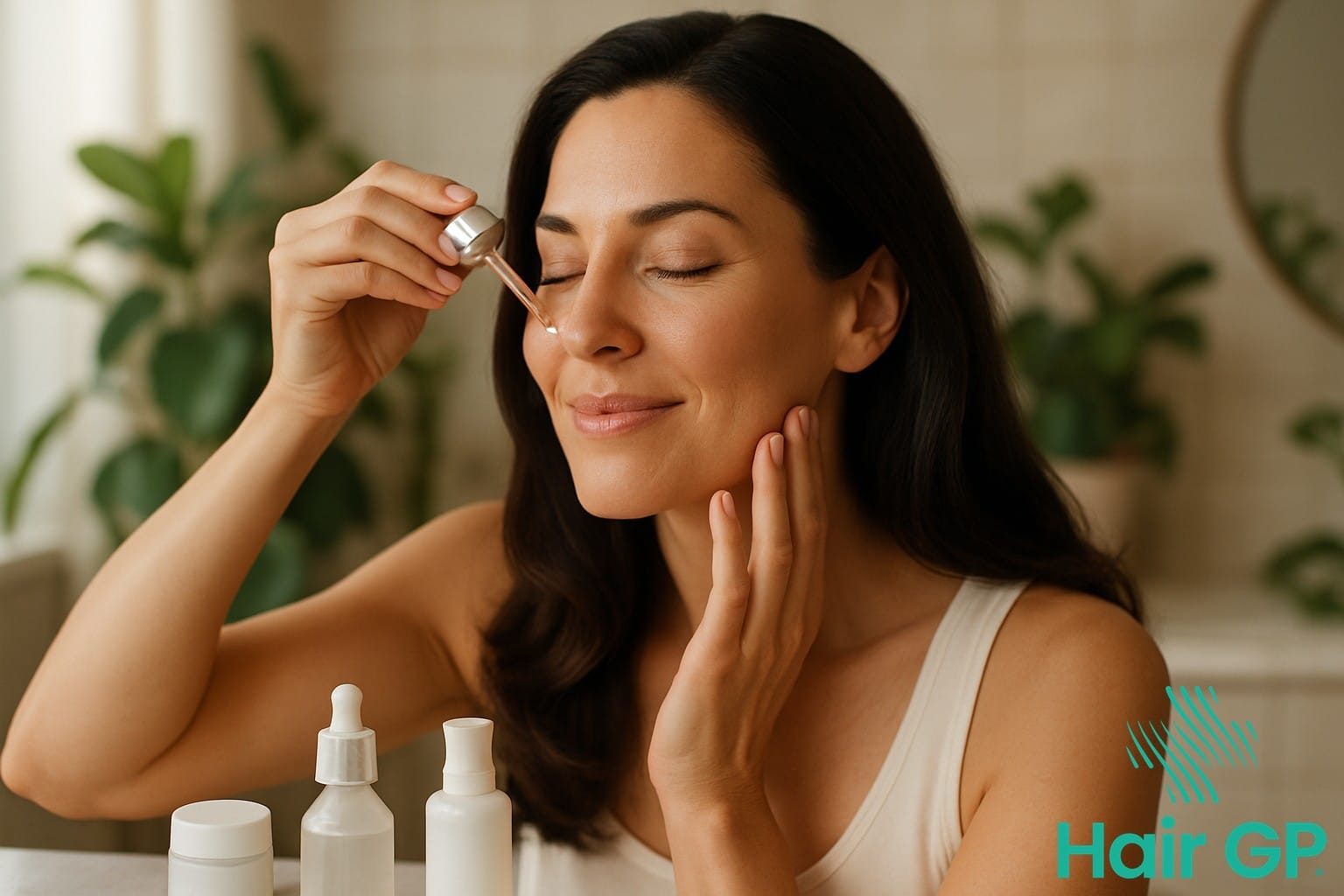
Managing Retinol Use for Optimal Hair Health
You can continue enjoying retinol’s benefits while protecting your hair and scalp with smart application strategies. These practical techniques help minimize any negative impact on hair growth while supporting new hair development.
Application Techniques to Protect Your Hairline
Strategic application is key to protecting hair-bearing areas on your head. Use barrier creams along your hairline before applying retinol products to create a protective shield. Apply retinol in targeted areas, staying at least one inch away from your hairline and any thinning areas where you want to encourage new hair growth.
Establish proper washing protocols by thoroughly cleansing your hands after retinol application to prevent accidental transfer to your scalp or hair. When applying products near your hairline, use cotton swabs or makeup brushes for precise control rather than fingers.
Timing and Frequency Adjustments
Start with lower concentrations and less frequent applications to allow your scalp to adapt. Begin with twice-weekly use and gradually increase as tolerated. Consider alternating retinol nights with hair-nourishing treatments to give your scalp recovery time.
Apply retinol earlier in your evening routine, allowing it to absorb fully before using any hair products. This prevents mixing that could spread retinol to unintended areas of your head.
Supporting Hair Growth During Retinol Use
Incorporate scalp-soothing ingredients like niacinamide or hyaluronic acid to maintain scalp health. Use gentle, sulfate-free shampoos that won’t further irritate retinol-sensitized skin. Consider adding hair growth-supporting supplements to counter any potential negative effects on hair follicles.
Regular scalp massage can improve circulation and support longer, healthier hair growth while using retinol products.
When to Seek Professional Help
Recognizing when hair changes require professional evaluation is crucial for maintaining healthy hair and addressing potential underlying conditions. Several clear indicators warrant a consultation with a dermatologist or hair loss specialist.
Timeline and Warning Signs
If you notice significant hair thinning or loss after starting retinol use that continues beyond six to eight weeks, professional evaluation is recommended. Sudden or patchy hair loss, scalp inflammation, or persistent irritation that doesn’t improve with modified application techniques requires immediate attention.
Men taking retinol who develop patterns consistent with male pattern baldness should seek consultation, as this may indicate androgenetic alopecia rather than retinol-related effects. Progressive baldness that follows typical male pattern distribution often requires specialized treatment approaches.
What to Expect During Consultation
A Specialist Hair Doctor will examine your scalp and hair patterns to differentiate between retinol-induced changes and conditions like androgenetic alopecia. They may perform a pull test, scalp biopsy, or blood work to rule out underlying causes. Discussion will include your complete product history and any drugs or supplements you’re currently using.
Treatment Options Available
Professionals can treat male pattern baldness with proven therapies like minoxidil or finasteride when appropriate. For retinol-related hair changes, they may recommend modified application techniques, alternative products, or complementary treatments.
Early intervention often yields better outcomes, so don’t hesitate to seek professional guidance when hair changes persist or worsen despite adjusting your retinol routine.
Conclusion
The relationship between retinol and hair health presents a fascinating paradox in skincare science. Whilst this powerhouse ingredient remains unparalleled in its anti-aging benefits—reducing fine lines, improving skin texture, and promoting collagen production—its potential impact on scalp health requires thoughtful consideration. Understanding that retinol-induced hair thinning is typically reversible empowers users to make informed decisions about their skincare routines.
The key to navigating this balance lies in awareness and proper application techniques. By recognising early signs of hair loss related to retinol use, individuals can adjust their routines accordingly—perhaps reducing frequency, avoiding scalp contact, or implementing protective measures. This knowledge shouldn’t discourage retinol use entirely but rather promote its strategic application.
For those experiencing retinol-related hair concerns, remember that cessation typically leads to recovery within three to six months. Meanwhile, alternative formulations, lower concentrations, or targeted application methods can help maintain the anti-aging benefits whilst protecting hair follicles. Ultimately, achieving optimal results requires personalised approaches that consider both skin rejuvenation goals and hair health maintenance. With proper understanding and management strategies, it’s entirely possible to enjoy retinol’s transformative skincare benefits whilst preserving lustrous, healthy hair.
Frequently Asked Questions
In most cases, retinol-induced hair loss is temporary and reversible. Once you discontinue use or adjust your routine, hair typically regrows within 3-6 months. However, if you have underlying conditions like androgenetic alopecia, retinol may accelerate existing hair loss patterns.
Hair changes from retinol typically appear 2-3 months after beginning regular use, coinciding with the natural hair growth cycle. This timing reflects the telogen effluvium pattern where follicles prematurely enter the shedding phase.
While both can cause scalp irritation individually, many people successfully use both with proper spacing. Apply minoxidil to the scalp and retinol to facial areas only, ideally at different times of day to minimize interaction and irritation.
There’s no direct contraindication between oral finasteride and topical retinol. However, since both can affect hair in different ways, it’s advisable to introduce them separately and monitor for changes. Consult your prescribing physician for personalized advice.
Retinol-induced hair loss typically presents as diffuse thinning across the scalp and is reversible, while male pattern baldness (androgenetic alopecia) follows a specific pattern of hairline recession and crown thinning due to DHT sensitivity and is generally progressive without treatment.
References
- Mukherjee S, Date A, Patravale V, Korting HC, Roeder A, Weindl G. Retinoids in the treatment of skin aging: an overview of clinical efficacy and safety. Clin Interv Aging. 2006. PMID: 18046911
- Messenger AG, Rundegren J. Minoxidil: mechanisms of action on hair growth. Br J Dermatol. 2004. PMID: 14996087
- English RS, Barazesh JM. Self-Assessments of Standardized Scalp Massages for Androgenic Alopecia: Survey Results. Dermatol Ther (Heidelb). 2019. PMID: 30671883